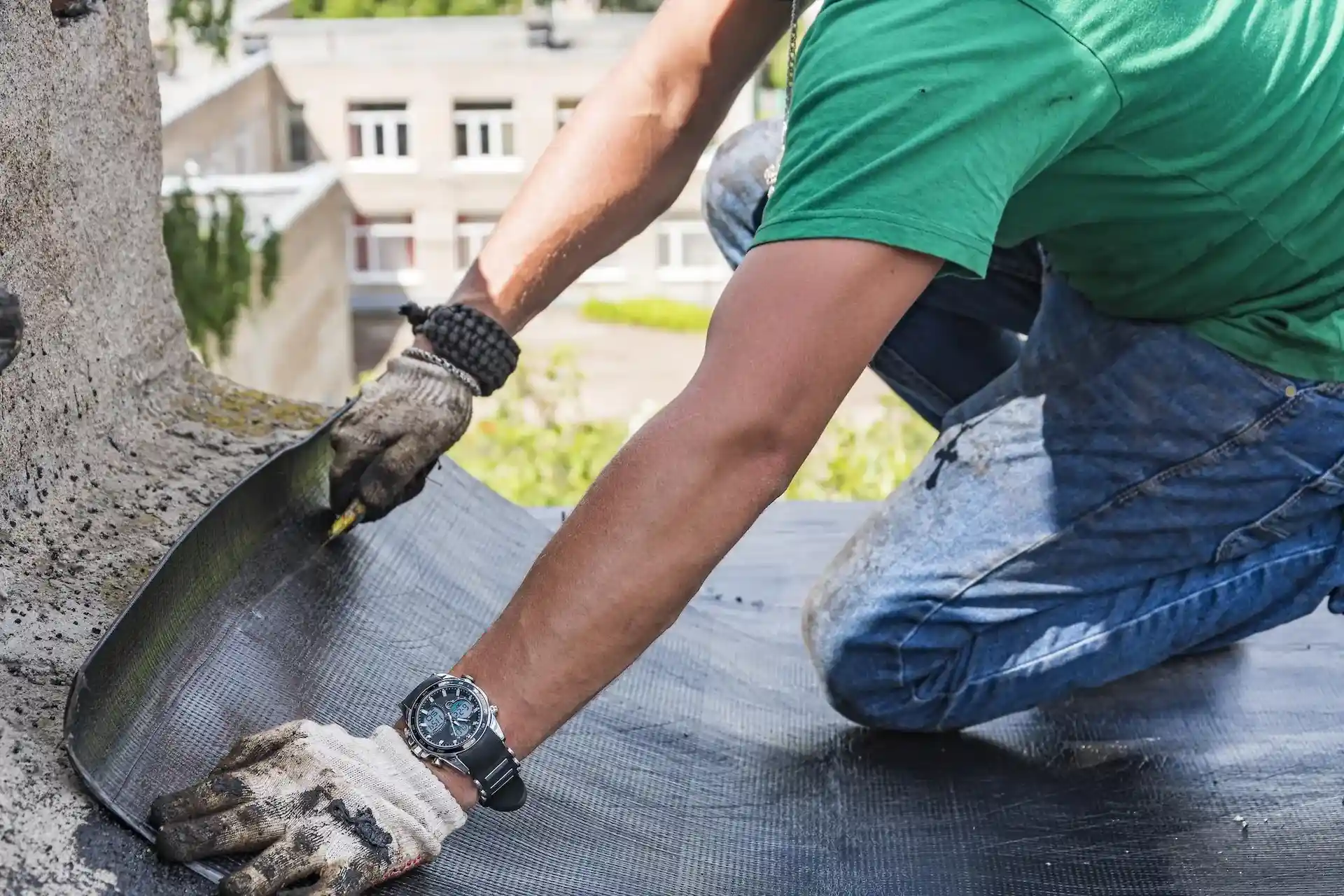
Aerial photographs can reveal missing shingles, displaced ridge pieces, blocked valleys, and damaged roof details without requiring immediate access to every surface. Drone inspections are useful screening tools, especially on steep or difficult roofs, but photographs alone cannot confirm concealed decking damage or every source of a leak.
Homeowners can use labeled photographs to understand the visible condition of different roof sections. Comparing images taken before and after work also helps document the repair scope, while written notes explain findings that are not obvious from an overhead view.
Safe flight planning and roof image capture
Before a drone survey, the operator should assess nearby buildings, trees, overhead lines, weather, and privacy concerns. Flights must follow applicable aviation rules and any local restrictions. Images should cover roof slopes, ridges, valleys, gutters, and penetrations from suitable angles. Consistent framing makes it easier to compare findings, but glare, shadows, and limited camera resolution can obscure small defects and should be noted in the inspection report.
A clear photo record supports discussions with the roofer and may assist an insurance review, although coverage decisions depend on policy terms and the insurer’s assessment.
Roof dimensions and material estimates
Roof photographs can support measurements and help estimate material quantities when combined with suitable software and verified dimensions. Pitch, overhangs, dormers, valleys, and waste allowances all affect ordering. Contractors should check critical measurements before purchasing materials, especially around complex details. An aerial estimate does not remove the need to confirm decking condition, roof assembly requirements, or access arrangements on site.
Matching visible damage to interior clues
An overhead view can locate disturbed shingles and flashing, while attic observations may identify staining, damp insulation, or deteriorated decking. Comparing these findings helps narrow the investigation. Because water can travel before appearing indoors, the visible stain and suspected entry point should not be assumed to align. A roofing professional may need a targeted hands-on inspection to confirm the repair scope.
Using shared photographs makes it easier for the homeowner and roofer to discuss the same roof details and distinguish confirmed defects from areas needing further investigation.
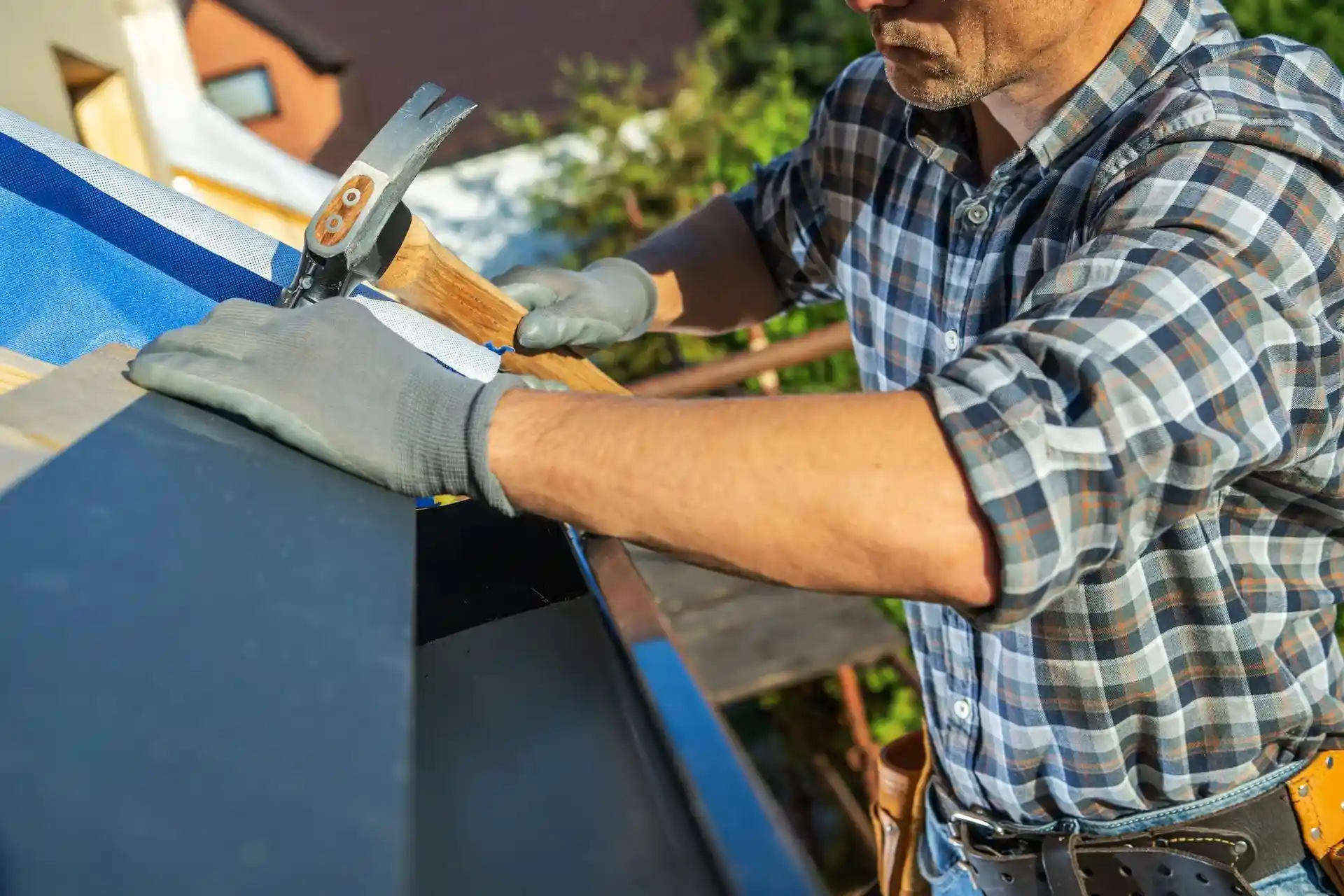
Repeat photographs can document roof repairs, gutter clearing, and exterior maintenance over time. After severe weather, ground-level observations and accessible interior checks remain useful first steps. A qualified operator can capture difficult areas when conditions permit, but drone images should complement rather than replace a complete assessment where leaks, structural concerns, or hidden damage are suspected.


